
Plants
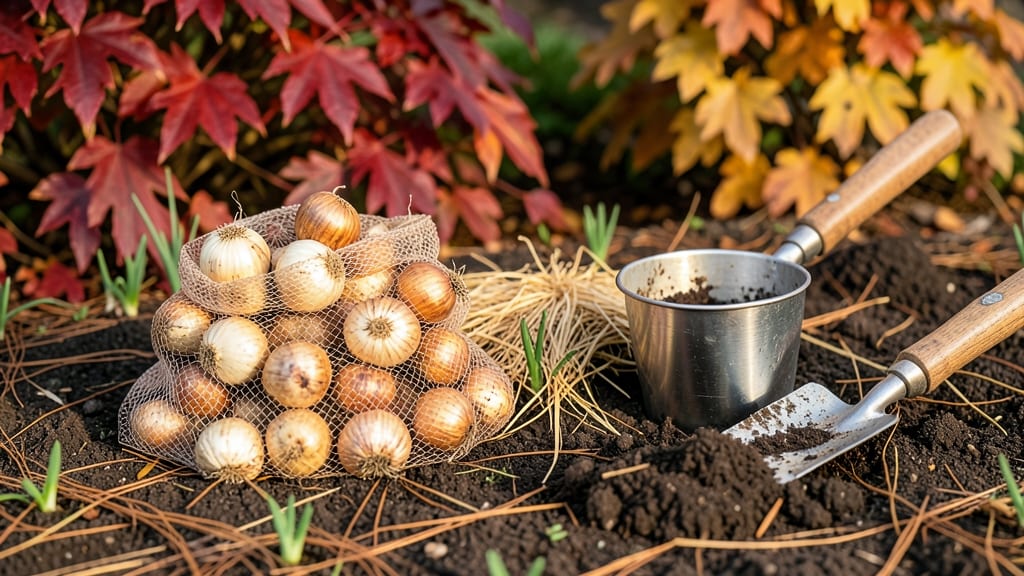
Planting daffodils in Minnesota isn’t just about the calendar—it’s about beating the clock before the ground freezes. With USDA zones 4a-5b and frost creeping in by October, timing is everything for those bright spring blooms you’re dreaming of now.
Most gardeners in Minnesota swear by September through November as the sweet spot, but why? Because daffodil bulbs need 6-8 weeks to root before winter sets in. If you miss that window, you’ll be left with frost-damaged bulbs—or worse, no blooms at all next spring.
Don’t let unpredictable weather throw you off. I’ll break down exactly how to adjust for Minnesota’s unreliable frost dates, whether you’re in the Twin Cities or the Iron Range.
With the right approach, you can still plant late—or even start bulbs indoors—and still wake up to cheerful 🌼 displays come April.
Ready to stop guessing and start planting with confidence? Let’s dive into the frost-date secrets that’ll make your daffodils thrive—no matter what Minnesota throws at you.
Minnesota frost dates and ideal daffodil planting windows
Minnesota’s USDA zones 4a-5b create unique challenges for daffodil lovers, where average first frost dates vary by 2-4 weeks between northern and southern regions. Timing your daffodil bulb planting correctly—typically 6-8 weeks before ground freezes—is the key to reliable spring blooms.
The Minnesota State Climatology Office reports that northern areas like International Falls freeze by mid-October, while southern cities like Rochester often see frost 2 weeks later.
For most of Minnesota, the ideal planting window falls between mid-September and mid-November. This gives bulbs time to establish roots before winter, while avoiding the late fall planting risks that can lead to rot.
In high-risk zones (4a), aim for early September planting—before soil temperatures drop below 50°F—to ensure success. Southern gardeners can push planting closer to late October without compromising bulb health.
Why timing matters: Daffodils need 6-8 weeks of cool soil to form strong roots before dormancy. Planting too early (before soil temps drop below 60°F) can cause bulbs to sprout prematurely, while planting too late (within 4 weeks of frost) leaves them vulnerable to rot. The 6-8 week rule balances these risks for Minnesota’s climate.
| Region | USDA Zone | Avg. First Frost | Ideal Planting Window | Soil Temp Threshold |
|---|---|---|---|---|
| Northern MN (e.g., Duluth, International Falls) | 4a (-30°F) | Mid-October | Early Sept–early Oct | 50–60°F |
| Central MN (e.g., Minneapolis, St. Cloud) | 4b (-25°F) | Late Oct | Mid-Sept–mid-Nov | 50–60°F |
| Southern MN (e.g., Rochester, Mankato) | 5a (-20°F) | Early Nov | Late Sept–late Oct | 50–60°F |
Use these regional guidelines to narrow down your planting timeline. For example, if you’re in Zone 4a and your soil stays above 50°F until October 1st, your last safe planting date would be mid-September.
Always check soil temperature with a thermometer—60°F is the upper limit for root establishment. Pro tip: Plant in the morning to reduce bulb stress from afternoon heat.
Minnesota’s unpredictable frost patterns can throw off even the best-laid plans. The National Weather Service advises adding 2-3 weeks of buffer if your area has a history of early frosts.
For instance, if your average first frost is October 15th, aim to finish planting by September 1st to ensure bulbs have 8 weeks of root growth before winter sets in.
Don’t let late fall planting discourage you—container planting is a great workaround for gardeners who miss the ideal window. Use well-draining pots and plant bulbs in late October or early November, then store containers in a garage or unheated shed until spring.
This method works surprisingly well for small-scale gardens or high-risk zones where ground freezes early.
For maximum bloom reliability, pair your planting timeline with proper soil prep. Work in 2–3 inches of compost to improve drainage—a critical factor in Minnesota’s clay-heavy soils. Daffodils thrive in slightly acidic to neutral soil (pH 6.0–7.0), so test your soil before planting.
If your garden soil is too dense or waterlogged, consider amending with sand or perlite.
Once planted, mulch heavily (4–6 inches) with straw or shredded leaves to insulate bulbs during winter. This extra layer can push your planting window 1–2 weeks later in Zone 4a areas.
Just be sure to remove mulch in early spring (March) to prevent rot from excess moisture. The goal is to protect bulbs without suffocating them.
Remember: Daffodils planted in Minnesota’s fall will reward you with vibrant blooms in April or May, often weeks before other spring flowers
How to adjust planting for Minnesota’s unpredictable weather patterns
Minnesota’s late October frost dates can leave gardeners scrambling, but daffodils are surprisingly resilient when planted strategically. If you missed the ideal September-October window, don’t panic—container planting and greenhouse prep can still save your bulbs. The key is understanding soil temperature triggers and watching for early frost warnings.
I’ve planted daffodils in Zone 4a for years, and the difference between a thriving patch and a failed attempt often comes down to one critical adjustment: timing based on leaf drop rather than calendar dates. When maple leaves start yellowing, that’s your cue to plant—even if it’s late November.
If you plant daffodils after ground freezes, bulbs will rot. Use insulated containers (like black plastic-lined pots) to delay frost penetration by 2-3 weeks. For extreme late plantings, pre-chill bulbs in the fridge for 4-6 weeks before transplanting.
For high-risk zones like northern Minnesota, I recommend a 3-step prep checklist**:
- Test soil temperature—plant when it’s 40-50°F,
- Add 3 inches of straw mulch after planting, and
- Monitor local frost forecasts for sudden drops below 28°F.
Mulch acts like a blanket, keeping roots 5-10°F warmer than ambient air.
Container planting is my go-to for late-season adjustments. Fill pots with well-draining mix (60% soil, 30% compost, 10% perlite) and plant bulbs 6 inches deep.
Place containers in unheated garages or on porches until spring—this buys you 4-6 extra weeks before transplanting outdoors. Just remember to water sparingly during dormancy.
Don’t overlook microclimates—southern exposures near foundations or brick walls can stay 5-7°F warmer than open beds. I’ve seen daffodils bloom 2 weeks earlier in these spots. Use this to your advantage by planting late varieties (like ‘February Gold’) in sheltered areas for extended bloom times.
Even with adjustments, some years Minnesota’s whiplash weather makes planting impossible. In those cases, greenhouse prep is your best bet: Start bulbs in light-proof containers in late August, then move them to a cool greenhouse (35-40°F) until planting. This mimics natural vernalization and ensures stronger root systems when transplanted.
Pro tip: Mark your calendar for October 15th—this is Minnesota’s average first frost date in most regions. Planting 6 weeks before (early September) gives bulbs the root growth they need to survive winter. If you’re still unsure, plant test bulbs in containers first to gauge your local conditions.