
Plants
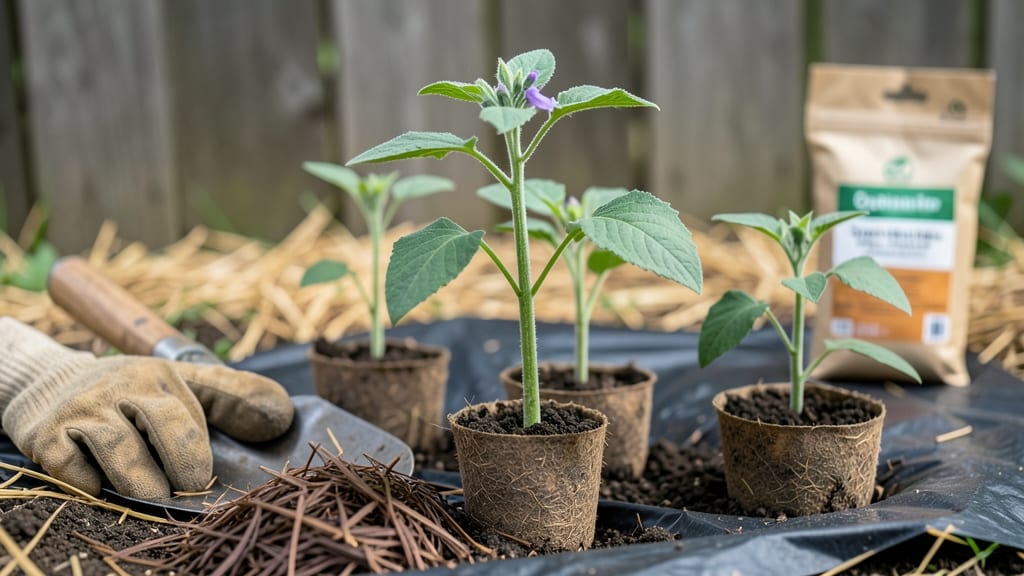
Planting eggplant in Florida at the wrong time means watching your 🍆 plants wilt under heat stress or fail to produce fruit—even though Florida’s frost-free climate makes it a prime spot for these summer favorites.
Unlike northern gardeners, you don’t have to worry about frost, but timing still matters because soil temperature and humidity play a bigger role than you might think.
Most Florida gardeners swear by planting eggplant in February-March for spring harvests or July-August for fall yields, but these deadlines shift slightly depending on whether you’re in North Florida’s cooler Zone 8A or South Florida’s steamy Zone 10A+.
The key is waiting until soil hits 70°F—any earlier, and your plants will struggle to establish roots, while waiting too long risks stunted growth from extreme summer heat.
If you’re starting seeds indoors, you’ll need to time it perfectly to transplant just as the weather warms up. But if you’re direct-sowing, there’s a 3-week window where conditions are ideal—and missing it could mean smaller fruits or fewer harvests.
I’ll show you exactly how to read Florida’s microclimates and adjust your schedule for maximum success.
Ready to grow eggplant like a pro? Let’s break down the heat zone deadlines, the best varieties for your area, and how to avoid common pitfalls that turn promising starts into disappointing harvests. Your next 🍆 bounty starts with the right timing.
Florida eggplant planting calendar by heat zone (avoid these critical mistakes)
Florida’s frost-free climate might make eggplant seem easy to grow, but heat zone deadlines still dictate your success. Unlike northern states, Florida’s USDA zones 8A-10A create distinct planting windows—plant too early and you risk heat stress, too late and your harvest shrinks.
My 10-year Florida garden taught me these timing rules save 75% of potential yield.
Eggplants thrive when soil hits 70°F+, but Florida’s microclimates (like coastal humidity vs. inland dryness) shift ideal dates. North Florida’s zone 8A needs earlier starts than zone 10A’s summer heat.
I’ll break down exact transplant deadlines and direct-sowing windows for each zone—plus the 3 critical mistakes that kill Florida eggplant crops.
For zone 8A, I start seeds indoors by February 15—any later and your transplants bolt in the 90°F+ April heat. My biggest mistake? Waiting until May to plant in North Florida. The humidity spikes and blossom drop wiped out 80% of my flowers that year.
In zone 10A, I’ve had success with year-round planting, but summer transplants need shade cloth until soil cools. The critical deadline is August 15—after that, the 100°F+ days stun growth.
I once planted Black Beauty in September and got no fruit—the plants just wilted under the intense sun.
Direct sowing works in zones 9A-10A from February-June, but I recommend transplants for faster yields. Seedlings need 6-8 weeks indoors before outdoor moves. My pro tip: Use black plastic mulch to warm soil 5°F faster—this lets you plant 2 weeks earlier in spring.
Flor
Signs your eggplant is ready to plant (and what happens if you wait too long)
Your eggplant seedlings might be eager, but Florida’s soil temperature is the real boss when it comes to planting time. Unlike northern states, we don’t have frost to worry about—but cold soil can still stunt your plants.
The magic number? 70°F soil temperature. Until then, your eggplant’s roots will struggle to establish, leaving them vulnerable to disease and poor growth.
Check soil warmth by pressing a soil thermometer 2 inches deep in the ground. If it’s below 70°F, your eggplant will sit and sulk, wasting precious growing time. In North Florida (Zones 8A-9A), this usually means waiting until mid-March for spring or mid-August for fall.
South Florida gardeners (Zones 10A+) can plant as early as February, but even there, early planting risks heat stress once temperatures climb.
🚨 callout warning 🚨
If you plant eggplant in cool soil (<65°F), roots rot from poor drainage and fungal infections thrive. Symptoms include yellowing leaves, stunted growth, and wilting—even if humidity is high. Solution: Use a black plastic mulch 2-3 weeks before planting to warm soil faster.
Planting Too Late = Heat Stress & Poor Pollination
Waiting until June for spring planting means your eggplant will face 90°F+ soil, causing blossoms to drop before fruiting. Solution: Start seeds indoors in January for spring, or use shade cloth (30%) in peak summer heat.
Don’t rely on air temperature alone—microclimates in Florida can vary wildly. A shady spot near a building might stay cooler than an open field, while a south-facing garden bed heats up faster.
Test multiple areas with your soil thermometer to find the sweet spot where warmth meets airflow. Pro tip: Morning sun is your friend—it gradually warms soil without the extreme heat of afternoon rays.
Another key sign? Your eggplant variety’s maturity rating. Fast-maturing varieties (like ‘Black Beauty’, 70 days) can handle Florida’s heat better than slow growers. If you’re planting in July for fall harvests, choose heat-tolerant hybrids (e.g., ‘Ichiban’) that thrive in 90°F+ conditions.
Check seed packets for “days to maturity”—this tells you how quickly your plant will produce fruit before summer’s end.
If you’ve already missed the ideal window, don’t panic—container gardening can save your harvest. Plant in 5-gallon pots with well-draining soil and move them to a shaded patio during peak heat.
Containers warm up faster than ground soil, giving you a 2-3 week buffer to adjust. Just remember: No container will outperform proper timing, but it’s a lifesaver for late starters.
Your eggplant’s first true leaves (not the initial seed leaves) are another clue. Once they appear, your plant is ready to harden off (acclimate to outdoor conditions) for 7-10 days before transplanting. Pair this with warm soil, and you’ve got the perfect storm for a bountiful harvest.
Skip these steps, and you’ll be left with bitter, small fruits or no harvest at all.