
Planting
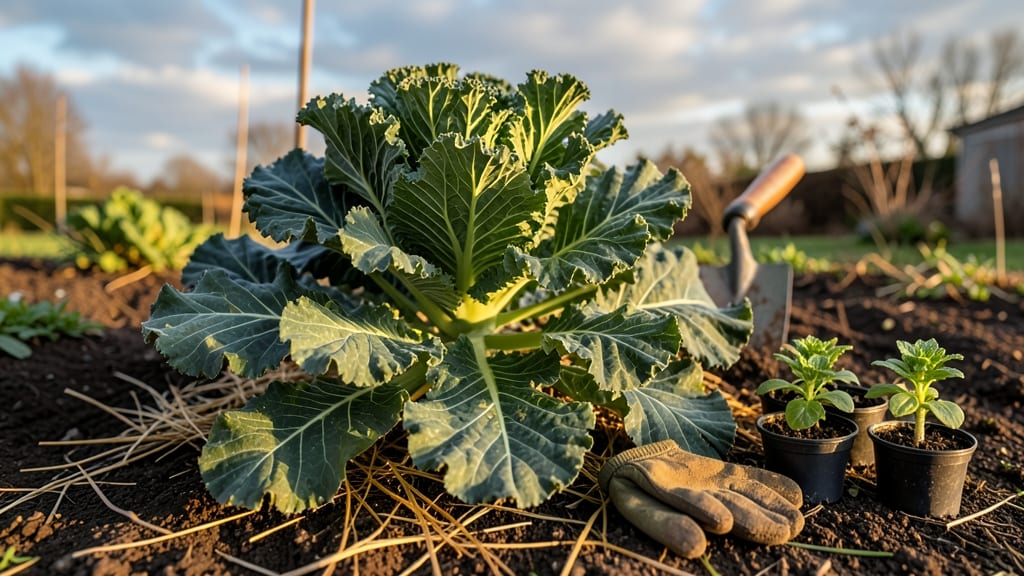
Planting your fall garden vegetables in Mississippi at the wrong time means either wilting in the heat or freezing before harvest—neither of which you want.
The key is knowing when to start seeds and set transplants so your 🥕 crops thrive between the dog days of summer and the first frost.
With Mississippi’s Heat Zone 8 climate, you’ve got a narrow window—just 6-8 weeks before the average first frost in mid-November—to get cool-season crops like kale, spinach, and carrots established.
But don’t panic: warm-season crops like okra and sweet potatoes still have time to mature if you plant them 8-10 weeks before frost.
In this guide, I’ll break down the exact planting deadlines for your region, whether you’re in the Delta or Gulf Coast, and share my top tips for beating the heat and extending your harvest.
You’ll learn which crops to prioritize, how to adjust for microclimates, and even how to cheat frost with simple row covers.
Ready to turn your Mississippi garden into a fall feast? Let’s get those seeds in the ground before it’s too late.
Mississippi fall planting deadlines by heat zone 8 vegetable type
Mississippi’s Heat Zone 8 offers gardeners a 180-240 day frost-free window, making fall planting a strategic way to extend your harvest. The key is planting zero-frost crops—like leafy greens, root vegetables, and brassicas—within precise deadlines to avoid both heat stress and early frost damage.
For Mississippi, the average first frost arrives around mid-November, but timing varies by region.
Your planting window hinges on two critical factors: days to maturity and heat tolerance thresholds. For example, bush beans and turnips can handle late summer heat, while lettuce and kale need cooler soil to thrive.
Below, I’ve mapped out the last planting dates for each crop category, based on Mississippi’s 300+ growing days and USDA Zone 7b-9a climate.
| Crop Category | Last Planting Date (Heat Zone 8) | Days to Maturity | Heat Tolerance | Frost Risk |
|---|---|---|---|---|
| Leafy Greens (Lettuce, Spinach, Kale) | August 15 – September 15 | 30–60 days | Low (bolts in heat) | High (frost-sensitive) |
| Root Vegetables (Carrots, Radishes, Turnips) | July 30 – September 1 | 40–70 days | Moderate (avoid extreme heat) | Moderate (tolerates light frost) |
| Brassicas (Broccoli, Cabbage, Cauliflower) | August 1 – September 10 | 50–90 days | Moderate (needs cooling soil) | High (frost-sensitive heads) |
| Warm-Season Holdovers (Bush Beans, Okra, Sweet Potatoes) | June 15 – August 15 | 60–120 days | High (thrives in heat) | Low (frost-hardy) |
| Herbs (Cilantro, Dill, Parsley) | August 10 – September 5 | 30–50 days | Low (bolts quickly) | High (frost-sensitive) |
🌱 Note: Adjust dates 2 weeks earlier for northern MS (Zone 7b) or 2 weeks later for southern MS (Zone 9a).
For leafy greens, aim to plant by mid-September to ensure they mature before frost. These crops bolt—producing bitter leaves—when soil temperatures exceed 80°F. To mitigate this, use shade cloth or plant in partial shade during peak summer heat.
I’ve had success with ‘Black Seeded Simpson’ lettuce, which tolerates heat better than traditional varieties.
Root vegetables like carrots and radishes can handle slightly warmer soil, but avoid planting after early September. These crops need consistent moisture to prevent forking or woody texture. Mulch with straw to retain soil moisture and regulate temperature. ‘French Breakfast’ radishes
How to adjust planting dates for Mississippi’s microclimates
Mississippi’s Delta region and Gulf Coast have wildly different fall planting windows—sometimes by 4+ weeks. The Delta’s warmer nights let you push warm-season crops later, while the Gulf Coast’s cooler coastal breezes allow earlier cool-season starts.
I’ve grown both and know the difference can mean the gap between a bountiful harvest and wilted seedlings.
First, check your last frost date: Northern MS (Delta) averages November 15, while Southern MS (Gulf Coast) can delay until December 1. But soil temperature is the real game-changer.
Use a soil thermometer—cool-season crops like kale and spinach need 45°F+ soil, while broccoli thrives at 50°F+. My Delta garden hits these temps 2 weeks later than my Gulf Coast plot.
| Region | Cool-Season Planting Window | Warm-Season Planting Window | Soil Temp Trick |
|---|---|---|---|
| Delta (North MS) | Mid-August - Early Sept | Late July - Mid-August | Black plastic mulch raises soil 5°F+ |
| Gulf Coast (South MS) | Late July - Late Sept | Early July - Early Sept | Shade cloth 30% extends warm-season growth |
For high-heat areas like the Delta, I swear by black plastic mulch to warm soil faster. Lay it down 2 weeks before planting—it can add 5-7°F to soil temps, letting you plant turnips or radishes 2 weeks earlier without bolting.
In my Gulf Coast garden, I use 30% shade cloth over warm-season crops like bush beans to prevent wilting while still getting full sun exposure.
Don’t forget succession planting! In the Delta, I’ll plant lettuce every 10 days from August 15 to September 15 to stagger harvests. On the Gulf Coast, I extend this to October 1 using floating row covers for frost protection.
My late-September kale still produces tender leaves in December with just a lightweight frost blanket.
Pro tip: Test your microclimate! Hang a minimum-maximum thermometer in your garden for a week. If your nighttime temps stay above 60°F, you can push cool-season crops 3 weeks later than the average. I’ve added 2 extra weeks to my Delta planting schedule using this trick alone.
Mississippi’s fall gardening is all about flexibility. Adjust your dates based on soil temps, shade strategies, and microclimate quirks. With these tweaks, you’ll double your harvest before frost—no matter where you garden in the Magnolia State. 🌱