
Vegetables
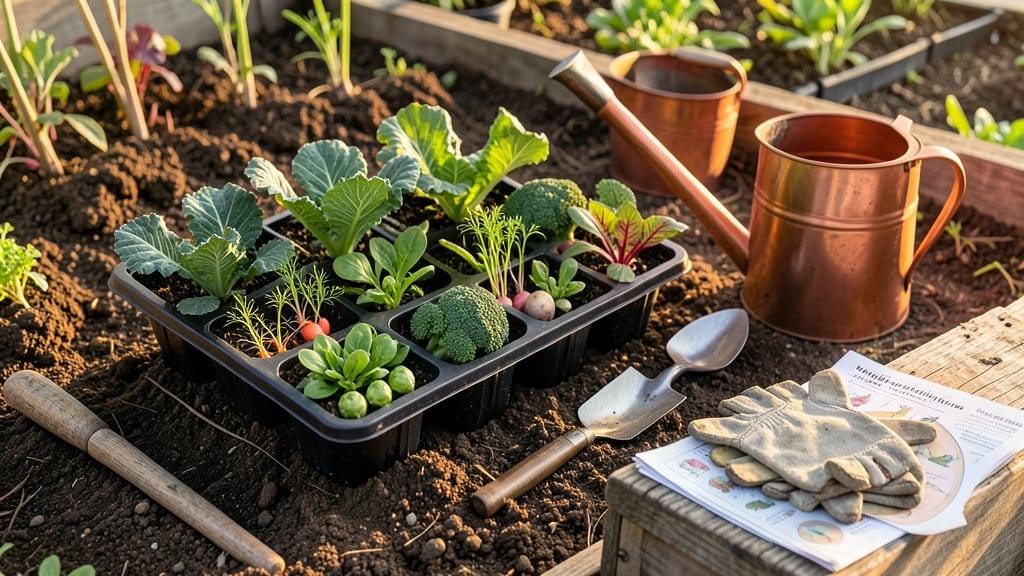
Planting fall vegetables in Zone 5 at the wrong time can turn your garden into a frozen wasteland before you even taste your harvest. The key isn't just when you plant—it's calculating those exact weeks before your first frost to ensure your kale, carrots, and spinach thrive when temperatures drop.
I've learned the hard way that rushing or delaying plantings by even two weeks can mean the difference between a hearty harvest and sad, frost-bitten greens. Whether you're a beginner or a seasoned gardener, timing is everything, and Zone 5's unpredictable fall weather adds another layer of challenge.
In this guide, I'll break down the exact planting windows for fast-, medium-, and slow-maturing crops, so you can avoid common mistakes and extend your harvest well into winter.
You'll discover how to adjust for late frosts, which vegetables to prioritize, and simple soil prep tricks that make all the difference.
Let’s get your fall garden on track—so you can enjoy fresh, homegrown produce long after summer fades. The secret starts with knowing exactly when to plant.

Exact fall planting schedule for Zone 5 vegetables by maturity time
Fall gardening in Zone 5 rewards patience—planting at the right time ensures your cool-season vegetables mature before the first frost. With an average first frost date between October 15 and November 1, timing is everything.
Fast-maturing crops like radishes and spinach can handle late starts, while slower growers like broccoli and carrots need early planting to reach harvest before winter sets in.
Understanding your days to maturity is key. For example, a 30-day radish can be sown just 4 weeks before frost, while a 90-day cabbage needs 12 weeks of warm soil before temperatures drop.
Below, I’ve broken down the ideal planting windows for fast, medium, and slow-maturing vegetables—plus my top frost-tolerant picks that thrive in chilly weather.
Pro Tip: Use row covers to extend harvests by 2-4 weeks for heat-loving crops like peppers or tomatoes planted early in the season. For cool-season crops, focus on soil temperature (aim for 40–75°F) rather than air temperature, as roots stay warmer underground.