
Planting
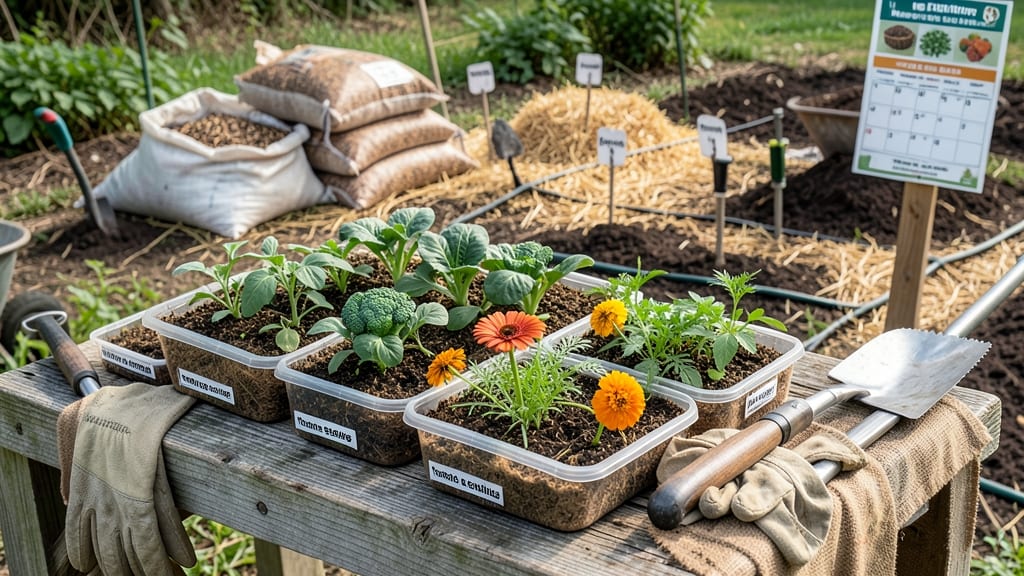
Planting your garden at the wrong time in West Virginia can mean the difference between a bountiful harvest and wasted effort—especially when frost dates vary wildly from county to county.
Whether you're growing tomatoes, peppers, or herbs, timing is everything, and knowing when to plant your 🌱 garden ensures your hard work pays off.
With USDA Zones 5-7 across the state, West Virginia’s climate can be tricky. Some areas might still see frost in May, while others are ready for warm-season crops by early April. I’ll break down the exact frost dates by county so you can plan your planting schedule with confidence.
From cool-season crops like lettuce and spinach to heat-loving plants like squash and beans, the right timing makes all the difference. Learn how to adjust for microclimates, soil types, and elevation—because even a small mistake can delay your harvest or leave your plants vulnerable.
Ready to get started? I’ll walk you through the perfect planting windows, soil prep tips, and even how to extend your growing season with simple tricks. Let’s make sure your garden thrives this year!
WV county-by-county frost dates: when to plant vegetables and flowers
West Virginia’s diverse geography means frost dates vary dramatically from the northern panhandle to the southern mountains. In Berkeley County, for example, gardeners may see last spring frosts as early as March 15, while Pocahontas County often waits until May 10—a full month difference!
These variations determine whether your tomatoes or peppers thrive or wither. Understanding your county’s frost window is the first step to a successful garden.
For warm-season crops like tomatoes and cucumbers, timing is critical—plant too soon and a late frost will kill seedlings. Meanwhile, cool-season crops like spinach and kale need to be sown early enough to mature before summer heat sets in.
My rule of thumb? Wait until two weeks after your county’s average last frost date to plant heat-loving veggies, and start cool-season crops 4-6 weeks before the last frost.
Below is a comparison of frost dates for key WV regions, grouped by similar climate patterns.
For precise planting windows, check your county’s USDA Hardiness Zone (most of WV falls in zones 5b-7a) and adjust for microclimates like valleys or mountaintops. Northern counties tend to have later springs and earlier falls, while southern regions enjoy longer growing seasons.
Use this table as a starting point, but remember: microclimates matter. A valley in Mason County might be 10°F warmer than nearby ridges, delaying frost by weeks. To refine your timing, observe local patterns for 3-5 years or consult your county extension office.
For example, in Berkeley County, gardeners often plant cucumbers by April 20, while in Pocahontas County, they wait until June 1 to avoid frost damage.
For warm-season vegetables, prioritize tomatoes, peppers, and squash—these need consistent warmth to thrive.
In USDA Zone 6 (most of WV), aim to plant these by May 15 in southern counties and June 1 in northern ones. Cool-season crops like lettuce, spinach, and peas can handle lighter frosts and should be sown 4-6 weeks before your last frost date.
Pro tip: Use row covers or cold frames to extend your season. In high-altitude counties, these tools can push your first fall frost back by 2-3 weeks, giving you time for a second planting of radishes or kale.
Always monitor soil temperatures—50°F+ is ideal for warm-season crops, while 40-50°F suits cool-season varieties.
If you’re unsure about your county’s exact frost dates, check the West Virginia State Climate Office or use the National Weather Service’s frost prediction maps. For a visual reference, I recommend this interactive WV frost map (link in resources), which lets you
How to adjust planting times for WV’s microclimates and soil types
West Virginia’s diverse geography—from the Allegheny Mountains to the Ohio River Valley—creates unique microclimates that can shift planting windows by 2-4 weeks. Mountain regions like Pocahontas County often experience later springs and earlier frosts than valleys like Charleston, where heat lingers longer.
Understanding these differences helps you avoid costly mistakes, like planting potatoes too late in high-altitude areas or tomatoes too early in frost-prone valleys.
Soil type adds another layer of complexity. Clay-heavy soils, common in northern WV, drain poorly and stay cold longer, while sandy loams in southern valleys warm up faster in spring. Adjusting your planting schedule based on both microclimate and soil drainage ensures your seedlings thrive from day one.
For example, cool-season crops like kale can go in 4-6 weeks earlier in well-draining soil compared to clay.
⚠️ Critical Mistake Alert: Planting Too Late in High-Altitude Counties
In Pocahontas County (USDA Zone 6), planting potatoes after May 15th risks stunted growth before harvest. The 30-day growing window for early varieties shrinks dramatically—delaying by even 10 days can cut yields by 30%. Always check your county’s last frost date and adjust for 1,000+ feet elevation by planting 2 weeks earlier.
To extend your growing season in cooler microclimates, use row covers or cold frames. These tools can push spring planting back by 3-4 weeks and delay fall harvests by 6 weeks, giving you a longer productive season.
For instance, in Monongalia County, I’ve used floating row covers to plant spinach in early March instead of April, resulting in harvests 2 weeks earlier than neighbors without protection.
For valley regions like Jackson County, where heat arrives earlier, focus on shade-tolerant varieties and succession planting. Peppers and eggplants, which need warm soil, can go in 2 weeks earlier than mountain areas.
Test soil temperature with a soil thermometer—aim for 60°F+ for warm-season crops—before planting. In my Charleston garden, I’ve planted tomatoes by April 1st using black plastic mulch to warm the soil faster.
Adjusting for soil drainage is equally critical. Amend clay soils with compost and sand to improve warmth and aeration. In clay-heavy areas, I’ve seen cucumbers and squash germinate 10 days slower because cold, wet soil delays root establishment.
For well-draining soils, focus on mulching to retain moisture—critical for drought-prone summers in southern WV.
Pro tip: Use local extension office data to fine-tune your schedule. For example, West Virginia University’s Frost Free Date Map shows Pendleton County has 180 frost-free days, while Mingo County has 210+.
This means sweet corn can mature in Mingo but may struggle in Pendleton—opt for early-maturing varieties instead. Always match your plant choices to your local growing window.
By combining microclimate awareness, soil adjustments, and season-extending tools, you’ll maximize your WV garden’s potential. Start with small test plots in high-risk areas, and don’t hesitate to consult local growers—their trial-and-error wisdom is your best shortcut to success. Happy planting!