
Planting
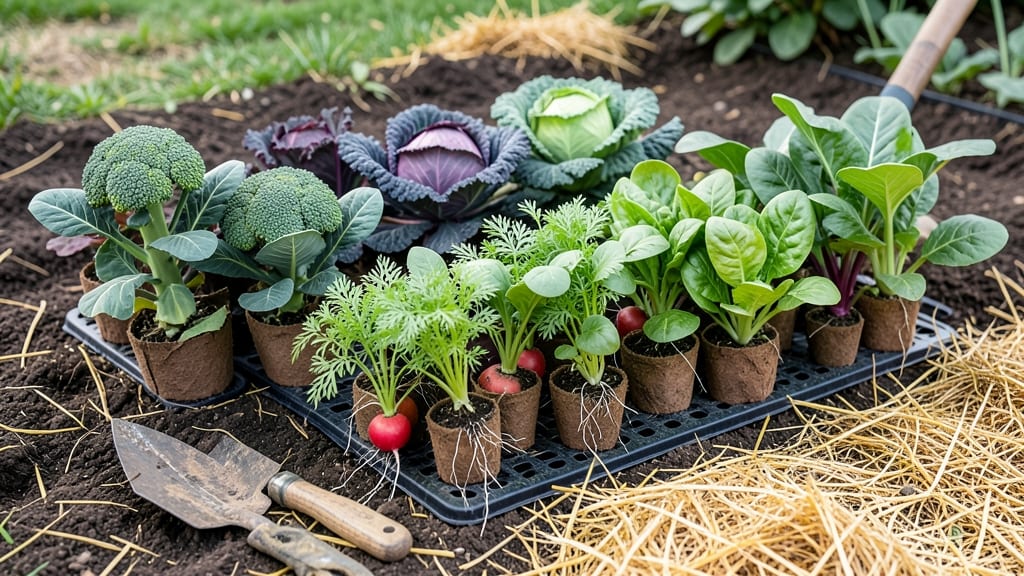
Planting your fall garden in Alabama at the wrong time can mean the difference between a bountiful harvest and a frost-killed disappointment. The key isn't just guessing when to start—it's knowing exactly when to plant Fall Garden Vegetables (General) 🌱 to beat the clock before the first frost hits.
With Alabama's 7b-8b climate, you've got a narrow window—typically late July to mid-September—to get seeds in the ground for crops like kale, spinach, and carrots. Plant too early, and pests or heat will wreck your garden; too late, and you'll miss the harvest before frost arrives in mid-November.
I'll break down the exact weeks before your first frost to plant, plus the best crops for your region and how to stretch your growing season. No more guesswork—just a foolproof plan to turn your Alabama garden into a fall harvest goldmine.
Ready to avoid the common mistakes that waste time and crops? Let's dive into the perfect timing for your fall garden so you can enjoy fresh veggies straight from your backyard until winter sets in.
Alabama’s fall planting zones: exact weeks before first frost by region
Alabama’s USDA Zones 7a-8b create unique challenges for fall gardening, where northern regions like Huntsville face earlier frosts than southern areas like Mobile. Understanding these microclimates helps you time plantings precisely for cool-season crops like broccoli, kale, and spinach that thrive before winter sets in.
Most of Alabama’s first frost dates fall between mid-November and early December, but elevation and latitude shift these windows dramatically. For example, Zone 7a (north Alabama) averages 30-45 days earlier frosts than Zone 8a (south Alabama).
This means your planting timeline should adjust by 2-3 weeks depending on where you live.
To maximize your fall harvest, aim to plant 6-8 weeks before your area’s first frost. This gives most vegetables enough time to mature before cold snaps arrive.
For instance, leafy greens like lettuce and spinach can handle light frosts, while broccoli and cabbage need more time to bulk up before winter.
In northern Alabama (Zone 7a), start sowing cool-season seeds as early as late July for crops like broccoli and cabbage, which need 70-90 days to mature.
For leafy greens, you can even push it to mid-August since they tolerate lighter frosts. Use row covers to extend harvests if temperatures dip unexpectedly.
Central Alabama gardeners in Zone 7b have slightly more flexibility, with mid-September being a safe cutoff for most cool-season vegetables. This region benefits from warmer soil temperatures longer into fall, allowing for succession planting of quick growers like radishes and lettuce every 2-3 weeks until early October.
Southern Alabama’s Zone 8a and 8b regions can plant right up until October, making them ideal for winter vegetables like collard greens and mustard greens. These areas often experience milder winters, so you can even experiment with overwintering crops like spinach or kale for early spring harvests.
Always check your local frost date averages using the Alabama Extension Service or National Weather Service for the most accurate timing. Microclimates—like urban heat islands or elevated garden beds—can shift frost dates by 1-2 weeks, so observe your garden’s specific patterns over time.
For emergency frost protection, keep row covers or old bedsheets on hand. Even a light frost can damage tender crops, but proper timing ensures you’ll enjoy harvests well into November in most of Alabama.
Pro tip: Plant fast-maturing varieties like ‘Early Wonder’ broccoli or ‘Black Seeded Simpson’ lettuce to guarantee harvests before winter sets in. These varieties are bred to thrive in short-season conditions, making them perfect for Alabama’s unpredictable fall weather.
Best fall crops for Alabama and their perfect planting timelines
Alabama’s fall garden thrives when you plant cool-season crops at the right time—too early, and pests like squash bugs ruin your harvest; too late, and frost steals your rewards.
The key is knowing exact planting windows for each crop, based on Alabama’s USDA Zones 7b-8b and average first frost dates (mid-November). I’ve tested these timelines in my own North Alabama garden and refined them for maximum success.
For Alabama, aim to plant most fall crops 6-8 weeks before the first frost—typically between late July and early September. However, some crops like radishes can handle cooler temps and tolerate light frosts, while others like broccoli need a longer growing season.
Below, I’ve broken down the top 10 fall crops, their ideal planting windows, and how to avoid common pitfalls like bolting or frost damage.
- 🌱 Lettuce & Spinach Plant August 1–September 15 for harvests before frost. Soil temps should be 50–75°F. Use row covers to extend harvests into November.
- 🥕 Carrots & Radishes Sow July 15–August 30. Radishes mature in 25–30 days, while carrots take 60–70 days. Thin seedlings to 2–3 inches apart to prevent crowding.
- 🥬 Kale & Collards Start seeds August 1–September 10. These cold-hardy greens sweeten after frost! Harvest outer leaves to encourage regrowth.
- 🥬 Broccoli & Cauliflower Plant July 15–August 15 for heads ready by October–November. Soil temps must stay above 40°F for germination. Use mulch to retain warmth.
- 🍅 Tomatoes (Cold-Tolerant Varieties) Transplant August 1–15 for varieties like ‘Cherokee Purple’. Harvest before 28°F temps. Prune suckers to focus energy on fruit.
- 🌿 Green Onions & Turnips Sow August 15–September 10. These grow quickly (30–50 days) and tolerate light frosts. Harvest green onions when 6–8 inches tall.
- 🥬 Swiss Chard Plant August 1–September 15. Thrives in cool weather and can be harvested until first hard frost. Cut stems 2 inches from the base for regrowth.
- 🍠 Sweet Potatoes Plant slips June 15–July 15 (early enough to harvest before frost). Cure in 80–85°F for 10 days post-harvest to develop sweetness.
- 🌻 Sunflowers (Late Season) Sow August 1–15 for fall-blooming varieties. Choose short-day types like ‘Moulin Rouge’ for Alabama’s climate.
- ⚠️ Avoid These Mistakes Planting too late risks frost damage; overcrowding reduces yields; ignoring soil temps causes poor germination.
Pro tip: Use mulch to regulate soil temperature and retain moisture, especially for crops like carrots and radishes, which need consistent moisture to grow straight. I’ve found straw mulch works best in my North Alabama garden—it keeps weeds down and insulates roots from temperature swings.
For extended harvests, try succession planting every 2 weeks after your initial sowing. For example, plant a new batch of lettuce in early September to enjoy fresh greens well into October.
Just remember: harvest in the morning for the crispest, most flavorful produce—this is when moisture levels are highest and flavors peak.
Alabama’s fall garden is a rewarding challenge, but with these timelines, you’ll avoid the most common mistakes and enjoy a bountiful harvest until the first frost. Start with 2–3 crops you love, master their care, and expand next year. Happy planting! 🌱