
Flowers
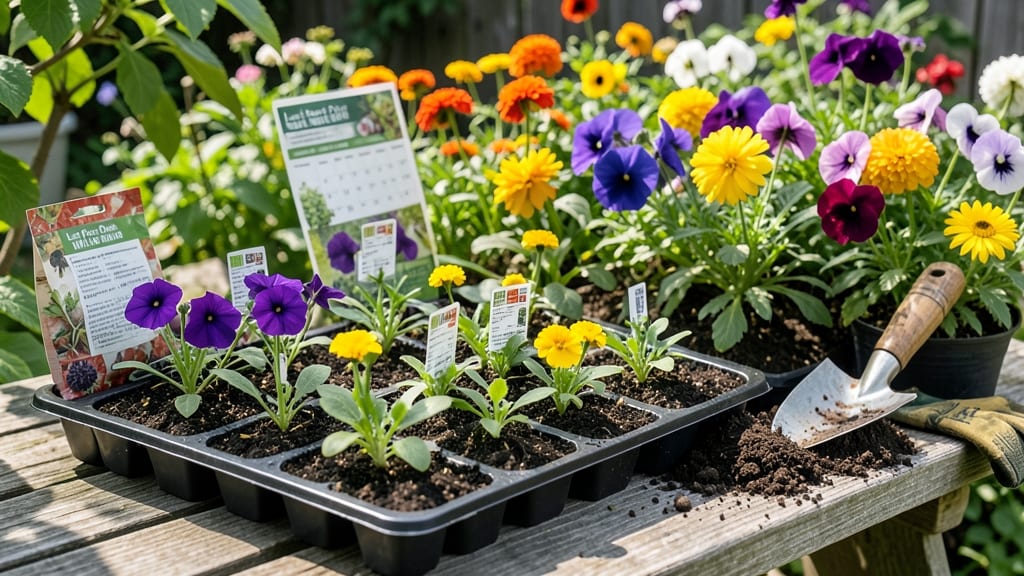
Timing your flower planting in Seattle isn't just about following a calendar—it's about mastering the delicate balance between coastal chill and inland warmth, where one wrong move can mean the difference between a showstopping garden and a sad, frost-nipped disappointment.
With USDA Zone 8a conditions and microclimates that shift dramatically from West Seattle's damp coastal air to the drier Puget Sound hills, knowing exactly when to plant your 🌸 becomes the key to unlocking a garden that blooms reliably from spring to fall.
I've spent years testing planting windows here, and what I'm about to share will help you avoid common mistakes—like planting tender annuals too early or missing the perfect moment for hardy perennials that thrive in Seattle's unique growing conditions.
Whether you're a seasoned gardener or just starting with containers on your balcony, these insights will give you the confidence to plant with precision, so your flowers arrive in full, vibrant glory when they're supposed to.
Seattle flower planting calendar: coastal vs inland start dates by season
Seattle’s coastal and inland areas create distinct gardening zones that can shift your planting timeline by weeks. Coastal areas (like West Seattle) stay cooler and wetter, while inland spots (like Bellevue) warm up faster and dry out sooner.
Understanding these differences means the difference between frost-nipped blooms and season-long color. Let’s break down the best times to plant flowers in each microclimate, month by month.
For coastal Seattle (Zone 8a-8b), expect last frost dates around April 15, while inland areas (Zone 7b-8a) often see their last frost by March 25. This shift means you can plant hardy annuals like pansies and snapdragons 2-3 weeks earlier inland.
Meanwhile, coastal gardeners should wait until May 1 for heat-loving flowers like zinnias and marigolds to avoid frost damage.
Here’s how to match your planting schedule to your Seattle location: