
Planting
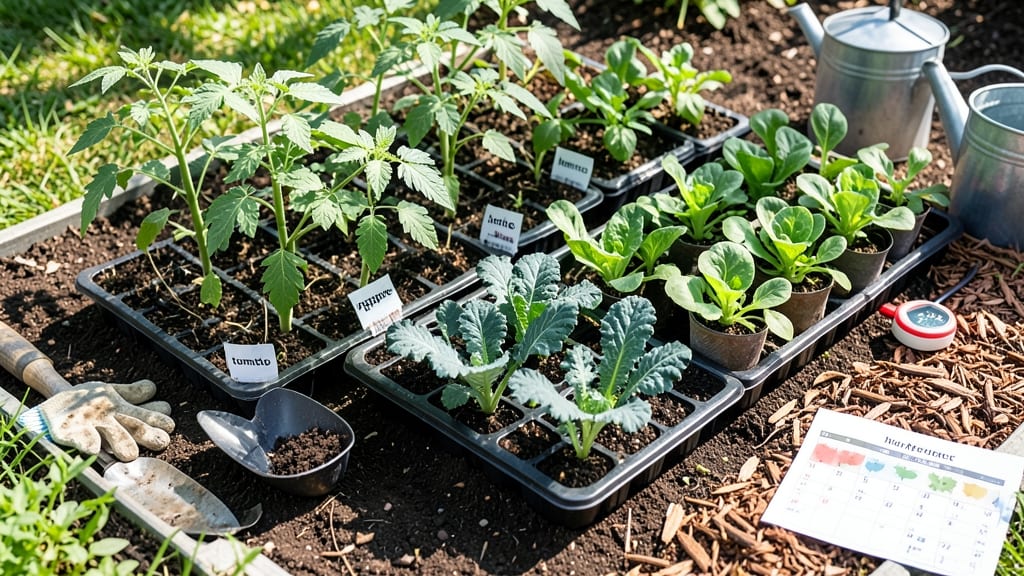
Timing when to plant a vegetable garden in North Carolina can mean the difference between a bumper crop and a sad, frost-killed mess. With USDA Zones 7b and 8a offering unique growing windows, planting too early risks icy surprises while waiting too long cuts harvests short.
The key is knowing when to start seeds indoors, when to transplant tender seedlings, and how to work with NC's unpredictable spring weather.
I've spent years testing these deadlines in my own garden, and what I've learned will help you avoid common mistakes. Whether you're growing leafy greens in early spring or heat-loving tomatoes in summer, understanding your last frost dates is everything.
Let me show you exactly when to plant each crop for maximum success in your specific region of the state.
From the cooler mountain regions to the warmer coastal plains, NC's microclimates create different planting schedules. You'll discover how to adjust for your local conditions, including when to harden off seedlings and which crops thrive in which seasons.
This isn't just theory—it's practical advice that will have you harvesting fresh vegetables all the way through fall.
Ready to transform your garden into a productive powerhouse? We'll cover everything from soil preparation to succession planting, giving you the confidence to plant at the perfect moment. Your future self will thank you when you're feasting on homegrown goodness while your neighbors are still buying from the store.
NC planting deadlines by USDA Zone: exact dates for frost-free success
North Carolina spans USDA Zones 7b and 8a, but microclimates create dramatic differences in frost timing. In Zone 7b (e.g., Raleigh, Asheville), the average last frost occurs around March 15–April 1, while Zone 8a (e.g., Wilmington, Fayetteville) enjoys frost-free conditions by February 15–March 1.
These dates shift 1–2 weeks earlier in the Coastal Plain and 1–2 weeks later in the Mountains.
For cool-season crops like lettuce and peas, plant 4–6 weeks before the last frost—typically February 1–March 15 in Zone 7b and January 15–February 15 in Zone 8a. Warm-season crops (tomatoes, peppers) need soil temperatures above 60°F, usually after April 15 in Zone 7b and March 20 in Zone 8a.
Check the NC State Extension frost calendar for your exact county’s data.
Here’s a quick reference for regional adjustments:
| Region | Zone | Last Frost | First Frost | Plant Cool-Season | Plant Warm-Season |
|---|---|---|---|---|---|
| Coastal Plain | 8a | Feb 15–Mar 1 | Nov 15–Dec 1 | Jan 15–Feb 15 | Mar 20–Apr 1 |
| Piedmont | 7b | Mar 15–Apr 1 | Nov 1–Nov 15 | Feb 1–Mar 15 | Apr 15–May 1 |
| Mountains | 7a/7b | Apr 1–Apr 15 | Oct 15–Nov 1 | Mar 1–Apr 1 | May 1–May 15 |
*Dates vary yearly; verify with NC State Extension.
The NC State Extension frost calendar is your best tool for precision. For example, in Zone 8a, you might plant spinach in January but risk frost damage in Zone 7b—where waiting until February 15 is safer.
Use row covers to extend the season by 2–4 weeks in cooler zones.
For warm-season crops, prioritize tomatoes and peppers after soil warms to 60°F+. In Zone 7b, this typically means late April to early May, while Zone 8a gardeners can start as early as mid-March. Test soil temperature with a soil thermometer—it’s more reliable than guessing.
Extending your growing season requires strategy. In Zone 7b, use cold frames or greenhouses to start cool-season crops in late summer for fall harvests. In Zone 8a, you can plant warm-season crops like okra as late as June 15 and still enjoy harvests before frost.
Always account for maturity days—a 60-day tomato planted on May 1 in Zone 7b will be ready by June 30.
Pro tip: Succession plant fast-growing crops like radishes or lettuce every 2–3 weeks to ensure continuous harvests. For example, plant radishes every 10 days in March for a steady supply until May. This works especially well in Zone 8a, where the growing season is longer.
Don’t forget pest and disease risks when pushing planting dates. Fungal diseases thrive in cool, wet springs, so avoid overcrowding seedlings. In Zone 7b, wait until after April 15 to plant cucumbers or squash to minimize powdery mildew.
Mulch with straw or leaves to regulate soil temperature and retain moisture.
Finally, bookmark the NC State Extension’s frost probability maps for real-time updates. These maps show 10%, 50%, and 90% frost probabilities, helping you decide whether to risk planting or wait one more week. For example, if the 10% frost risk date is <
Best vegetables to plant in NC by season: a month-by-month guide
North Carolina’s USDA Zones 7b and 8a offer gardeners a long growing season, but knowing exactly when to plant each vegetable is key to avoiding frost damage and maximizing yields. Cool-season crops like kale and spinach thrive in winter’s chill, while tomatoes and peppers crave summer’s heat.
Below, I’ve broken down the ideal planting months for NC’s most productive vegetables, including succession planting tips to keep your harvests flowing year-round.
For cool-season vegetables (Jan–Mar), focus on hardy crops that tolerate light frosts. In warm-season months (Apr–Jun), shift to heat-loving plants like squash and beans. The secret to success? Succession planting—sowing new seeds every 2–3 weeks to replace harvested crops and stretch your growing season.
Let’s dive into the month-by-month planting schedule tailored for NC’s climate.
- Jan–Feb (Cool-Season): Plant broccoli, cabbage, and peas—these thrive in 40–60°F soil and can handle light frosts. Spinach and lettuce also do well in winter’s mild temperatures.
- Mar–Apr (Transition): Start warm-season crops indoors (like tomatoes and peppers) 6–8 weeks before last frost. Radishes and carrots can still be sown outdoors in early March.
- May–Jun (Warm-Season Peak): Plant beans, squash, and corn directly in the soil once nighttime temps stay above 50°F. Succession plant cucumbers every 2 weeks for continuous harvests.
- Jul–Aug (Late Summer): Sow fall crops like kale and turnips in July for harvests before winter. Green onions and bush beans also thrive in late summer’s heat.
- Sep–Oct (Fall Planting): Plant cool-season crops again for a second harvest. Garlic and onions can be sown in October for next year’s crop.
- Nov–Dec (Winter Prep): Focus on soil prep—add compost and mulch to protect roots. Overwintering onions or spinach can still be sown in mild NC winters.
One of my favorite succession planting tricks is using bush beans in early summer and then replanting with green beans in late summer. This ensures a steady supply without gaps.
For leafy greens, I harvest outer leaves first to keep the plant producing—this works wonders with swiss chard and kale.
Don’t forget to adjust for your specific NC region. Coastal areas (like Zone 8a) can plant tomatoes as early as late March, while mountain regions (like Zone 7b) should wait until mid-April.
Always check the NC State Extension’s frost dates for your exact location to fine-tune your schedule.
Pro tip: Use row covers to extend the season for cool-season crops in early spring or late fall. This simple trick can add 2–4 weeks to your growing window, giving you extra harvests before winter sets in.
With this month-by-month guide, you’ll never miss a planting window again. Happy gardening—your future harvests will thank you! 🌱